
Base Camp Queenstown: Summer Walks, Alpine Landscapes & Post-Trail Recovery
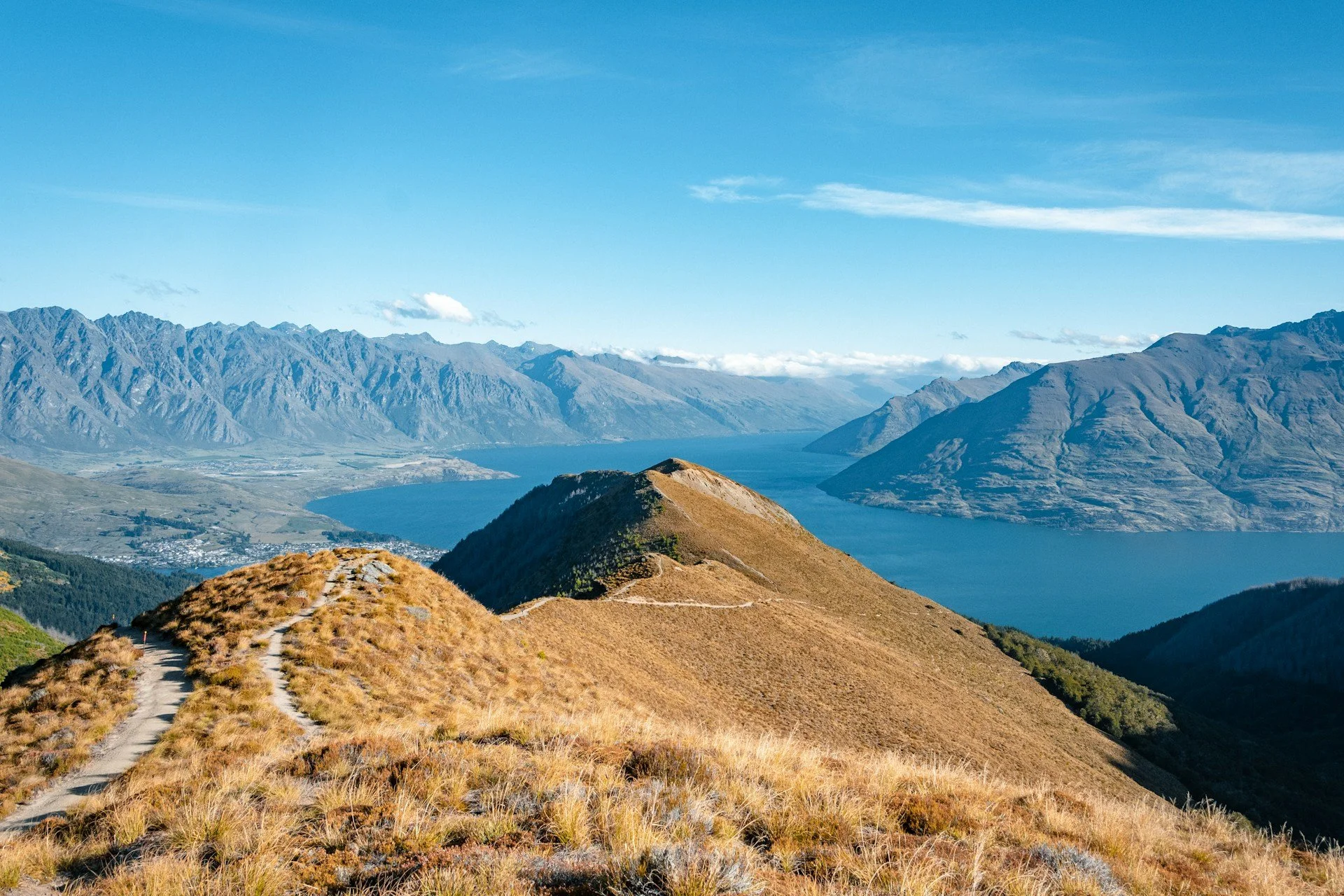
Queenstown has long been a place people come to move. In summer, that movement becomes more deliberate. Early starts stretch into long days on the trail. Heat settles into the valleys. Evenings arrive with tired legs and a quiet sense of accomplishment. Walking defines the season, not as a race, but as a steady engagement with the landscape. For many, Queenstown isn’t simply where the walk begins or ends. It’s where you return in between. That’s what makes it an effective base camp: proximity, range, and the ability to recover properly before heading out again.
Walking remains one of the most effective ways to experience the Queenstown region. It’s demanding without being extreme. Slow enough to notice changes in terrain and light, yet long enough for fatigue to build quietly over time. The effort is cumulative, hours on uneven ground, steady elevation gain, sustained heat exposure. Unlike short bursts of adrenaline, walking leaves a different imprint on the body. Tight calves. Heavy hips. A nervous system that’s been switched on for hours at a time. That’s why what happens after the walk matters just as much as the walk itself.
Close to Town: Elevation Without Logistics
One of Queenstown’s defining advantages is how quickly you can move from town into meaningful terrain. There’s no need for transport planning or transfers to feel immersed.
Ben Lomond Track
Ben Lomond is a benchmark Queenstown walk, direct, demanding, and uncompromising. The track climbs steadily from the edge of town, moving from forested sections into exposed alpine terrain. Each stage opens the view further, with the summit offering a wide perspective across Lake Wakatipu and the surrounding ranges. In summer, the effort is real. The ascent works the legs continuously, and the descent requires just as much control. Yet it’s the immediacy that defines the experience: a full alpine climb that fits within a single day, starting and finishing close to town. It’s a walk that makes recovery non-negotiable, and proximity essential.
Lower Impact Days That Still Count
Not every day needs to push limits. Lakeside and flatter trails around Queenstown offer movement without strain, ideal for rest days, arrival days, or active recovery between larger efforts. Tracks around Lake Hayes or along the lake edge allow circulation and mental reset without loading the body further. These walks play an important role in a summer schedule. They keep momentum without compounding fatigue.
Multi-Day Tracks Within Reach
Queenstown also functions as a natural launch point for longer alpine journeys. These are walks where preparation, pacing, and recovery are part of the commitment.
Routeburn Track
The Routeburn offers sustained alpine exposure across ridgelines, valleys, and waterfalls. Summer conditions bring longer days and clearer weather, but also steady physical demand. Fatigue accumulates quietly over multiple days, often felt most once the walking stops.
Milford Track
The Milford Track unfolds through rainforest, river valleys, and mountain passes. The terrain is steady rather than extreme, but repetition and distance place continuous demand on the body. Recovery here isn’t dramatic, it’s essential.
Hollyford Track
More remote and less structured, the Hollyford Track requires sustained effort over longer days. The load is physical and mental. This is a walk where the quality of recovery can define how the final days feel.
Across all of these routes, the pattern is consistent: summer walking asks for more than a single rest day. It requires deliberate recovery.
Why Summer Fatigue Lingers
Summer conditions in the Southern Alps create a specific kind of fatigue. Long daylight hours encourage longer distances. Heat increases dehydration risk. Uneven terrain recruits stabilising muscles for hours at a time. The body works continuously, even when the pace feels controlled. Stretching helps. Hydration helps. But neither fully resolves the load. Effective recovery needs three things: warmth, minerals, and contrast.
Recovery Designed for Walking Bodies
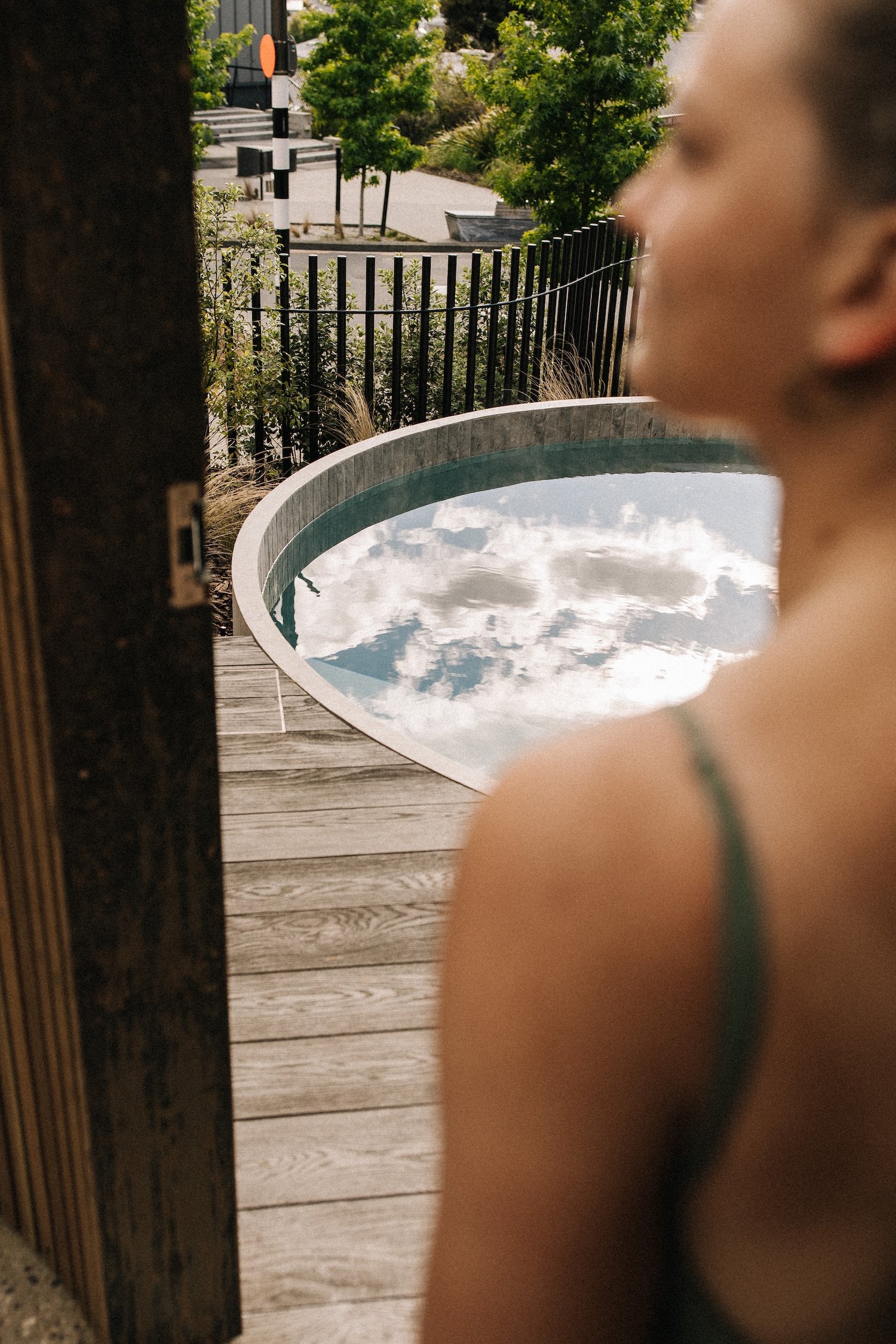
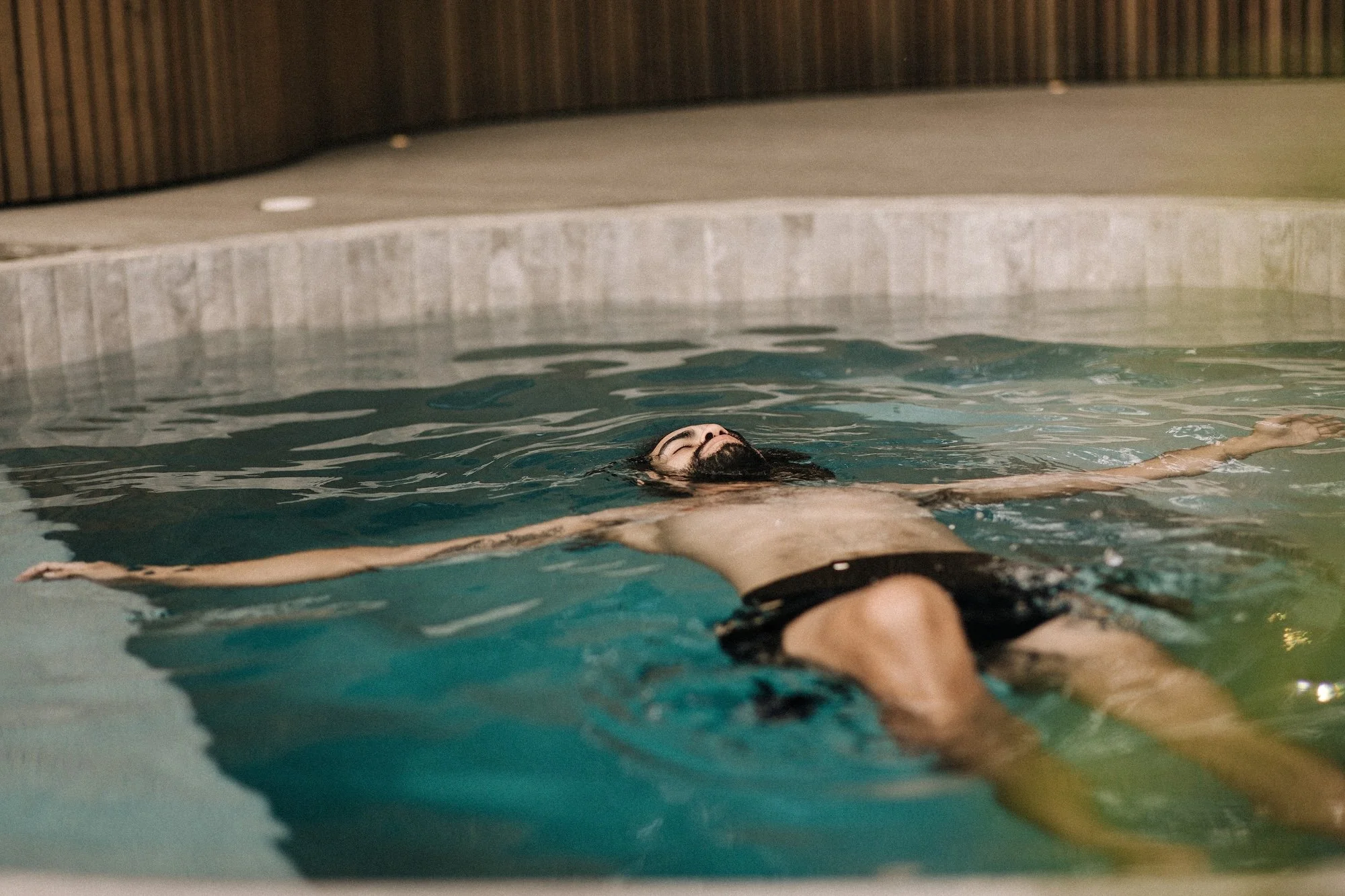
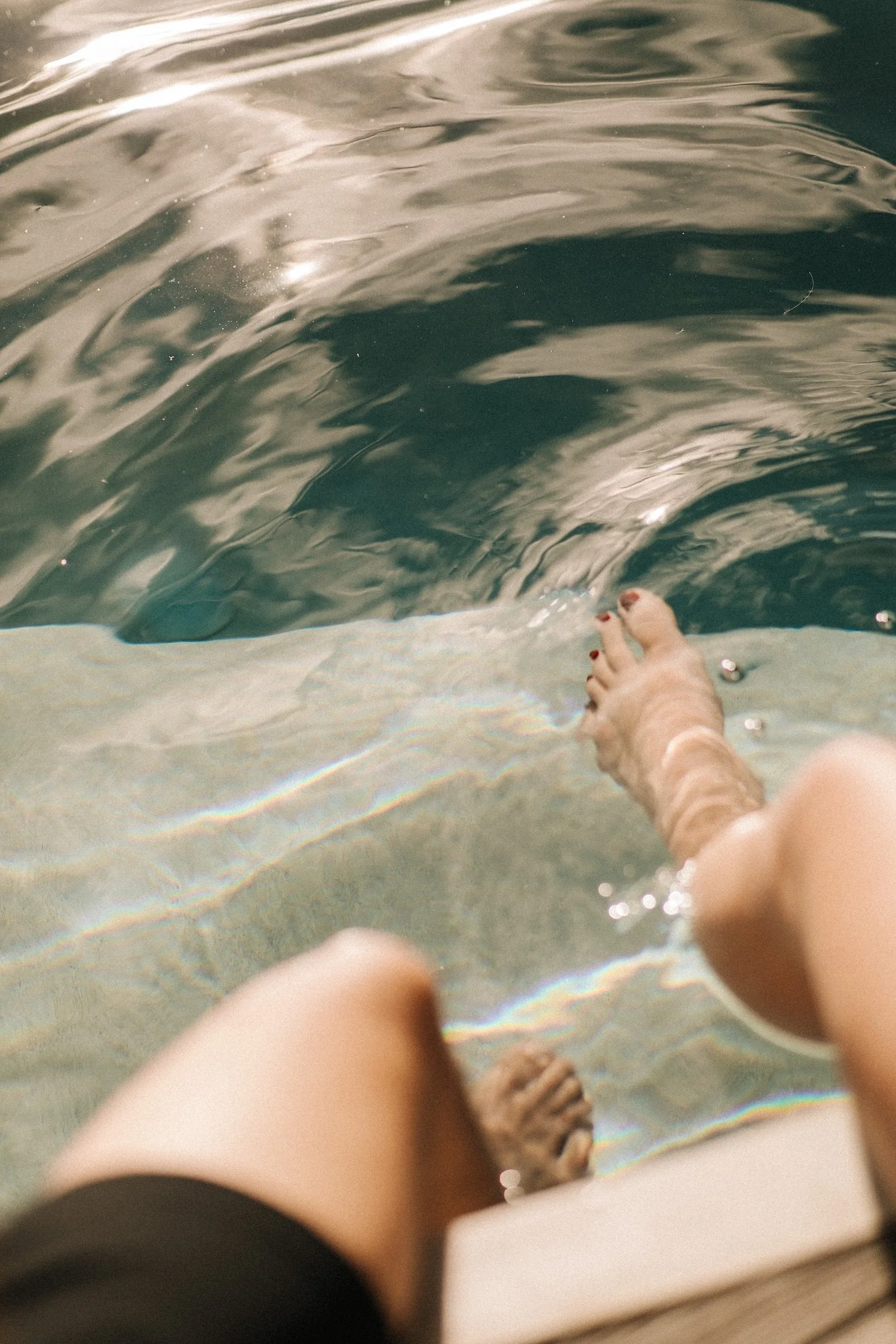
At Bathe by Aluume, recovery is designed as a sequence rather than a single experience. Every pool is magnesium-enriched, supporting muscle relaxation, circulation, and nervous system downshift after prolonged effort. Warm water allows tension built through climbs, descents, and repetitive movement to release gradually. Magnesium plays a critical role in muscle function and recovery. Absorbed through warm water immersion, it supports relaxation, reduces cramping, and helps the body transition out of sustained exertion. This is the first stage: letting go of load.
Contrast Therapy: Closing the Loop
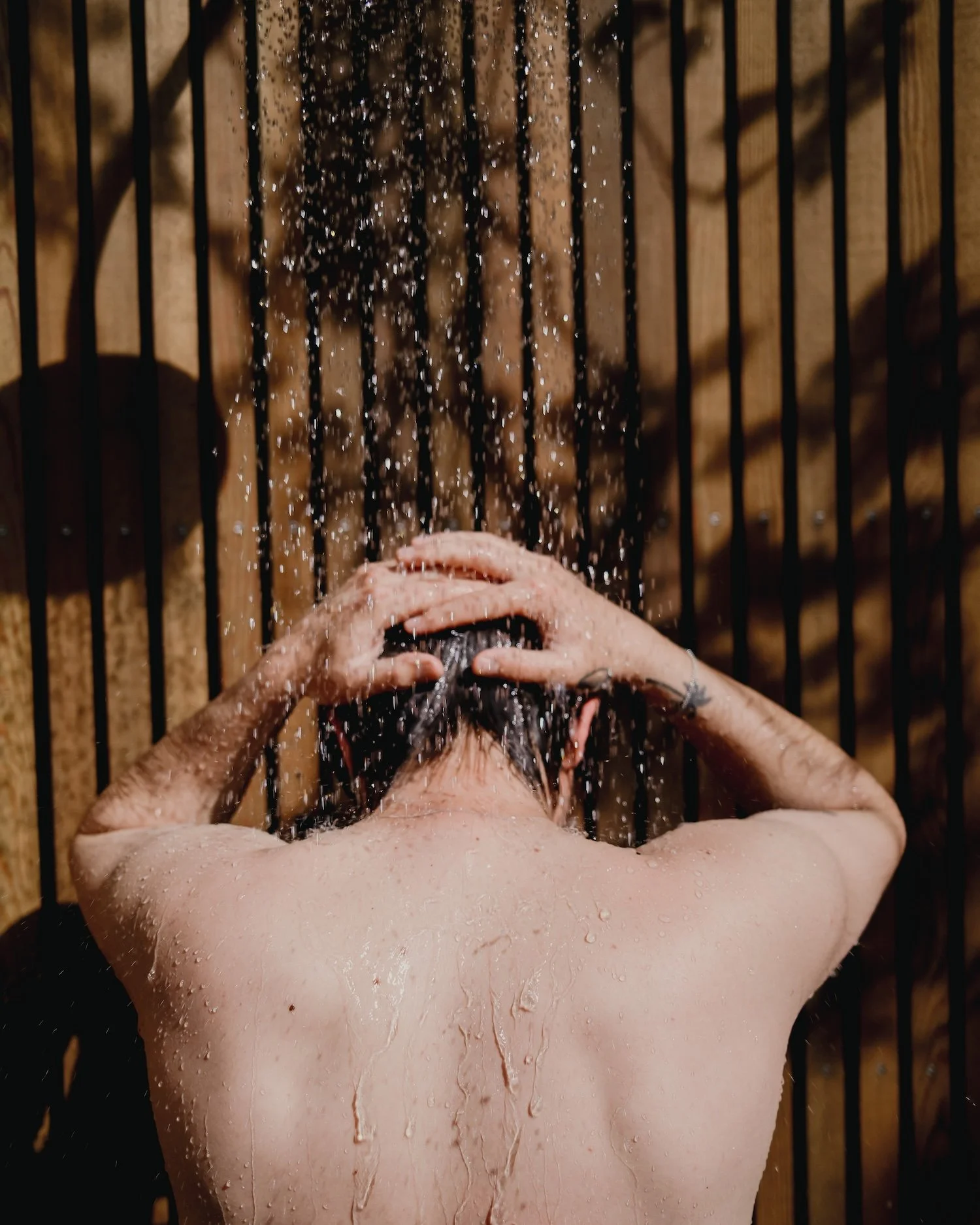
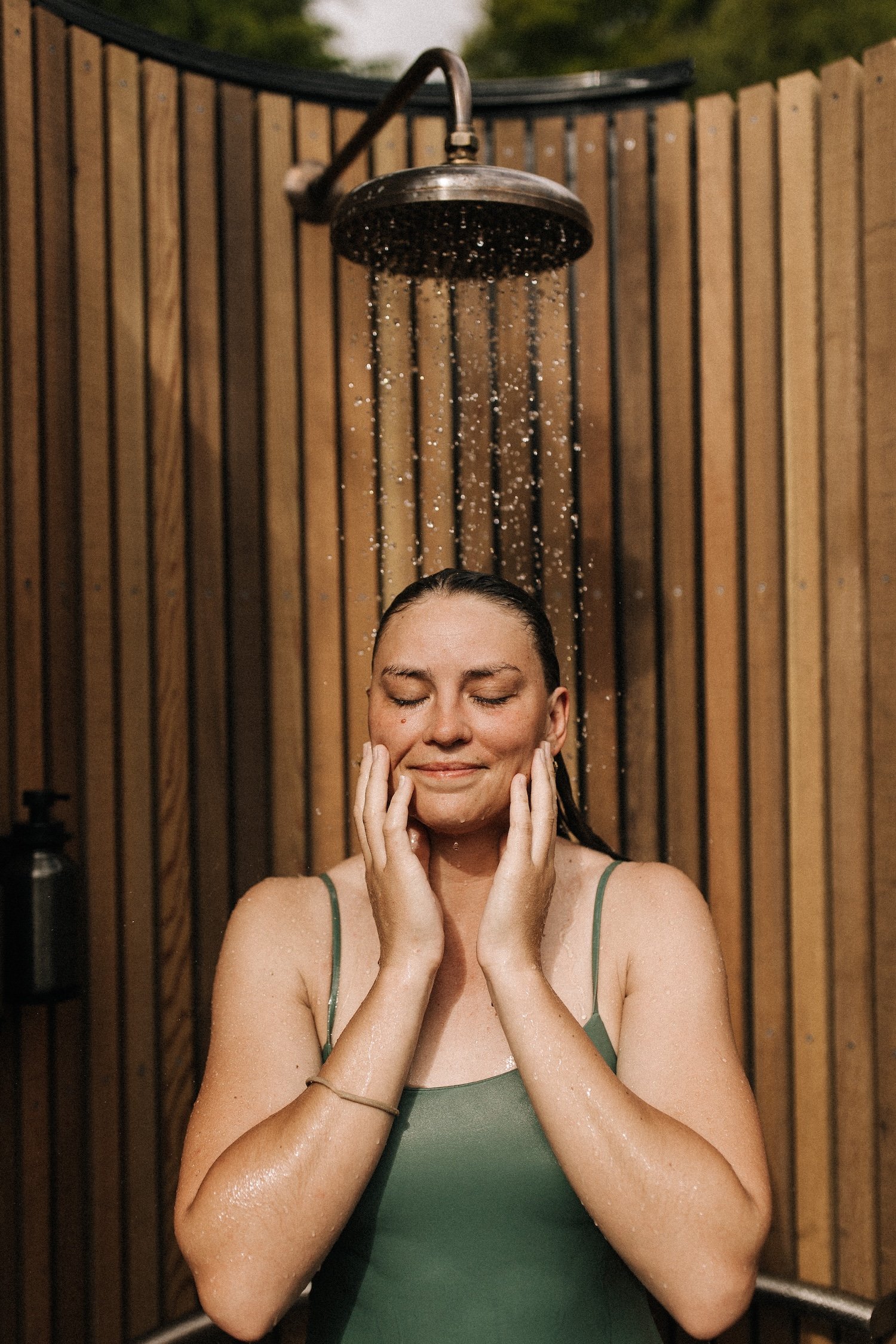
Warmth alone isn’t the full picture. Alongside the hot pools, ice-cold monsoon showers are integrated for contrast therapy — creating a deliberate shift from heat to cold that accelerates recovery after time on the trail.
The sequence is intentional:
Warm water to soften and release.
Magnesium to support muscular and nervous system recovery. Cold monsoon showers to stimulate circulation, manage inflammation, and reset the body. This rapid contrast mirrors the Queenstown environment itself, alpine air, cold water, sun-warmed rock. After demanding summer walks, it helps fatigue clear faster and prevents soreness from carrying into the following day.
It isn’t about endurance challenges or shock exposure. It’s about finishing the day properly.
Proximity Makes the Difference
Recovery only works if it’s accessible. With Bathe located minutes from trailheads, accommodation, and the town centre, there’s no friction between movement and rest. No long drives. No delays. The transition from exertion to recovery is immediate. That proximity is what allows people to walk consistently across a summer season, not by pushing harder, but by recovering well enough to keep moving.
Walking Further by Recovering Better
Queenstown rewards those who pace their effort.
Whether it’s a single ascent of Ben Lomond, a sequence of day walks, or a multi-day alpine track, the same principle applies: recovery determines what comes next.
Warm water.
Magnesium.
Cold.
Then rest.
It’s a practical approach to movement: one that respects the body as much as the landscape, and allows Queenstown to function not just as a place to visit, but as a place to return to between walks.
Again and again.
