
Mountain Biking Queenstown: Ride Hard, Recover Well
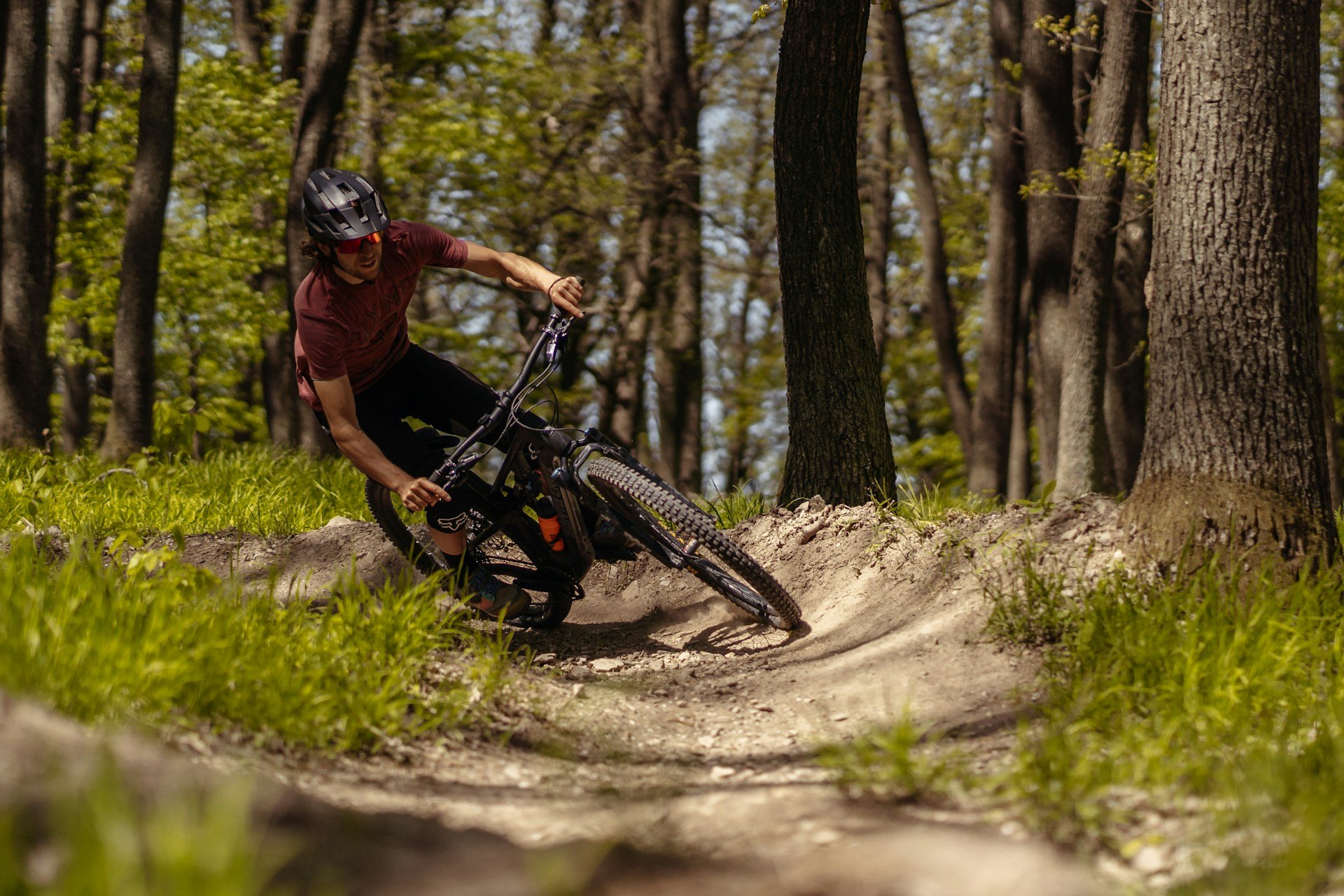
Queenstown has always moved quickly. Rivers run hard. Mountains rise sharply. Weather changes without warning. And for the riders who come here, whether for a weekend mission or a full season: the pace is part of the appeal. Over the past decade, Queenstown has quietly become one of the Southern Hemisphere’s most respected mountain biking destinations. Not just for the terrain, but for the way riding fits into the landscape itself: lift-accessed downhill above town, technical back-country climbs, flowing lakeside trails, and a growing culture that understands performance is about more than just time on the bike. /increasingly, Queenstown is being recognised not just as a place to ride, but as a place to recover. And that shift matters.
Queenstown: An International Mountain Biking Hub
From the moment the gondola doors open in the morning, it’s clear that mountain biking here isn’t an afterthought. The lift-accessed terrain above town, operated through Skyline Queenstown: has become a cornerstone of the region’s riding identity. Fast descents, progressive jump lines, technical roots, and hand-built trails sit directly above the town centre. Few places in the world allow you to roll straight from alpine terrain into cafés, lakeside walks, and accommodation within minutes. Beyond the bike park, the riding expands outward:
Long alpine traverses and climbs in the Ben Lomond area
Flow trails winding through native bush
Gravel and singletrack loops around Lake Hayes and Arrowtown
Back-country rides that reward commitment, patience, and strong legs
It’s a destination that attracts:
Enduro and downhill riders chasing progression
Trail riders looking for big days with variety
International visitors scheduling entire trips around ride windows
Locals who ride before work, after work, and in between seasons
Queenstown has earned its place on the global mountain biking map. But riding hard here comes at a cost.
The Hidden Demand: Recovery After the Ride
Mountain biking is deceptively demanding. Downhill days tax the nervous system. Climbing days load the legs eccentrically. Long descents compress joints and connective tissue. Multiple ride days compound fatigue quickly. And in a place like Queenstown, where people tend to do more than one activity per day: recovery isn’t optional. It’s the difference between riding again tomorrow or cutting a trip short. Historically, riders have managed this informally:
Cold lake dips
Stretching on apartment floors
Hot showers turned to cold at the end
Early nights and hoping for the best
But as the riding culture has matured, so has the understanding that intentional recovery changes outcomes. This is where Queenstown’s second evolution begins.
From Adventure Capital to Recovery Capital
Queenstown has always been an adventure hub. What’s changing is what happens after the adventure. Globally, elite and amateur riders alike are embracing recovery not as indulgence, but as infrastructure:
Contrast therapy to regulate inflammation and circulation
Heat exposure to promote muscle relaxation and parasympathetic activation
Cold exposure to sharpen the nervous system and reduce soreness
Stillness to counter the sensory load of high-speed riding
As mountain biking grows, so does the need for recovery environments that are designed, not improvised. And that’s where Queenstown is quietly becoming something more rare: a destination where high-output activity and high-quality recovery exist side by side.
Brecon Street: Where Riding Meets Recovery
Tucked just off the movement of town, Brecon Street has become an unlikely anchor point in this shift. It sits close enough to the action to remain connected, rides finish nearby, the gondola looms above, yet removed enough to create separation. A pause point. A transition space. This is where Bathe by Aluume has positioned itself: not as a spa in the traditional sense, but as a recovery environment built for people who move. Magnesium-enriched hot pools. Cold monsoon showers for contrast therapy. Minimal, design-led spaces that reduce stimulation rather than add to it. No performance theatre. No wellness clichés. Just functional recovery, executed well.
For riders, it becomes a natural extension of the day:
Ride
Rehydrate
Soak
Cool
Reset
Then repeat.
Why Contrast Therapy Works for Riders
Contrast therapy: alternating hot and cold exposure, has become a cornerstone of recovery across endurance and impact sports. For mountain bikers, the benefits are particularly relevant:
Heat increases circulation, promotes muscle relaxation, and helps the body shift out of a stress-dominant state
Cold stimulates the nervous system, reduces perceived soreness, and supports inflammation management
Alternation trains vascular response and accelerates recovery between ride days
At Bathe, contrast is delivered through:
Deep magnesium-enriched hot pools designed for full-body immersion
Cold monsoon showers that deliver immediate temperature shift without spectacle
The goal isn’t endurance. It’s regulation. Enough heat to soften the system. Enough cold to reset it.
Recovery as Part of the Ride Culture
What’s interesting about Queenstown’s mountain biking scene is how naturally recovery integrates into it. Riders here don’t just chase single runs. They chase days. They want longevity, not just peak moments.
As more people ride:
Multiple days in a row
Mixed disciplines (bike + hike + lake + gym)
Through longer seasons
Recovery becomes the difference between consistency and burnout. Queenstown’s environment supports this rhythm: Ride in the morning. Recover mid-afternoon. Eat well. Sleep deeply. Ride again. It’s not about slowing down: it’s about sustaining output.
A New Kind of Destination Loop
Queenstown has always offered loops:
Adventure → Food → Views → Repeat
What’s emerging now is a more considered cycle:
Movement → Recovery → Performance → Presence
Mountain biking sits comfortably inside this framework.
So does hiking.
So does skiing.
So does simply being active in a place that demands movement.
The presence of intentional recovery spaces signals a shift in what the town values:
Not just adrenaline — but longevity.
Not just output — but balance.
Ride Hard. Recover Better. Stay Longer.
Queenstown will always attract riders chasing terrain. What’s changing is how long they can stay, how well they feel, and how many days they can stack without breaking down. As mountain biking continues to define the town’s identity, recovery is no longer a side note. It’s part of the infrastructure — as essential as lifts, trails, and bikes themselves.
Brecon Street.
Warm water.
Cold contrast.
Stillness between sessions.
Because the best rides don’t just depend on the trail. They depend on what you do after.
